
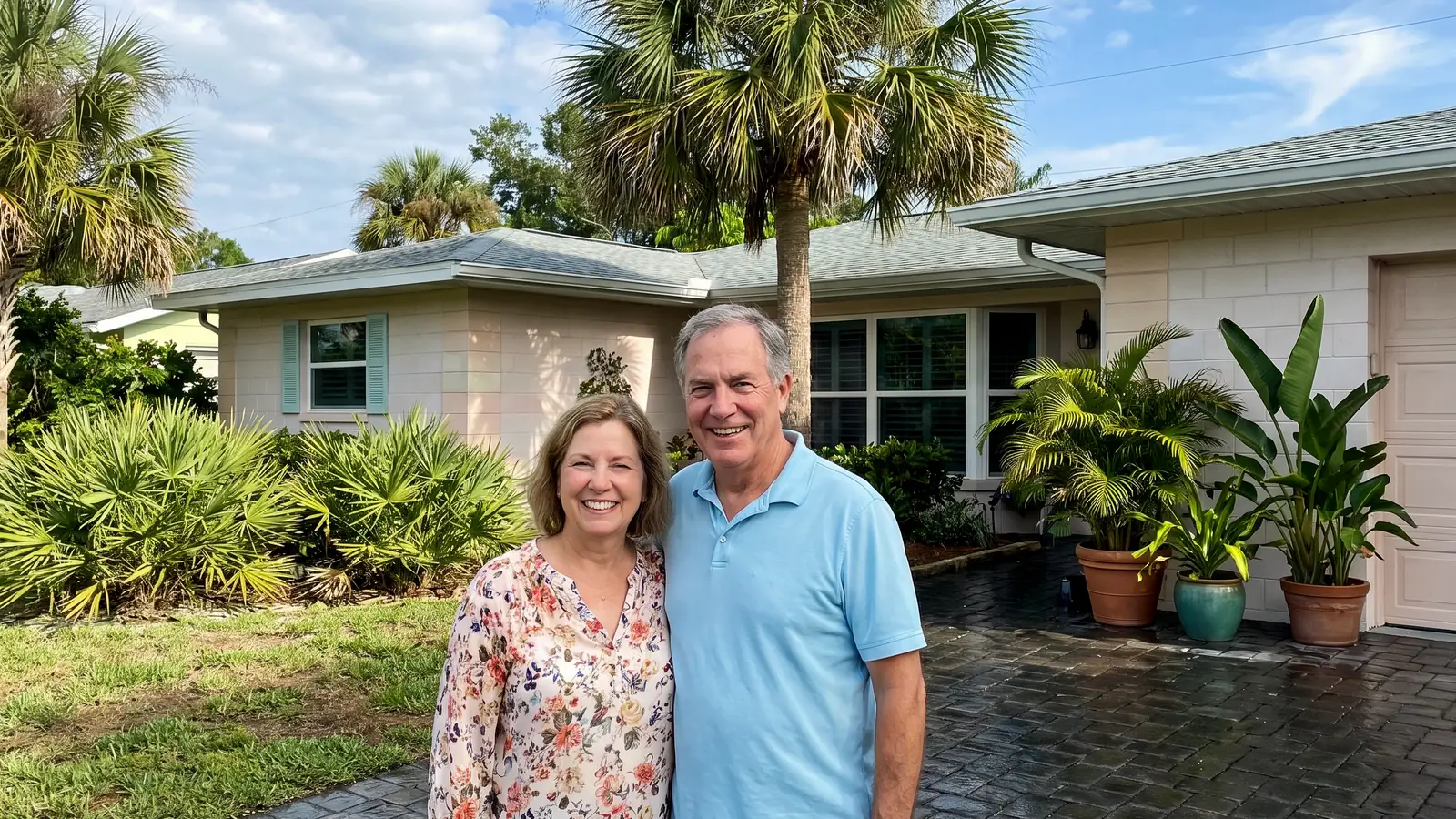
A stone finish that keeps its natural look
Travertine Sealing in Spring Hill, FL
Call (352) 820-2319 for a free travertine sealing estimate on your Spring Hill pool deck, lanai or walkway.
- Brings out deeper paver color
- Fresh joint sand helps lock pavers in place
- Gives weeds less room to grow
- Makes the surface easier to keep clean
- Free estimate, no obligation
Request a Free Estimate
Free, no obligation.
Who seals travertine in Spring Hill, and how soon do I hear back?
A local contractor can seal travertine at your Spring Hill, FL home, and a reply reaches you within 1 business day, usually much sooner. The visit and the price are free, and booking is your call. To start the conversation, call (352) 820-2319.
Picture the lanai stone that turned blotchy near the pool steps, with pale rings where drinks sat and a gray film in the shade. A fresh wash and the right penetrating coat aim to bring back an even, natural tone without a plastic shine. To have a contractor look at yours, ask for a free estimate.
Why does travertine need a different sealer than brick pavers?
Travertine is a sedimentary rock built from calcium carbonate that came out of spring and ground water, according to Wikipedia, and its porous forms are called tufa. A paver restoration company that works around Spring Hill describes the stone as full of tiny linked channels that draw liquid in like a sponge. That is why oil, grease and rust are close to impossible to pull out once they get in. Which product suits your stone? ask for a free estimate and ask.
Concrete and brick pavers soak up sealer at their own pace, and Unilock warns that brick and natural stone absorb at different rates. The same restoration company says most local sealing companies use their usual paver products on travertine, and that it needs a different product from the start. A penetrating sealer is the type it recommends for new or unsealed stone, with a film forming coat held back for stone that feels slick even when dry. To hear a contractor's pick for your pieces, call (352) 820-2319.
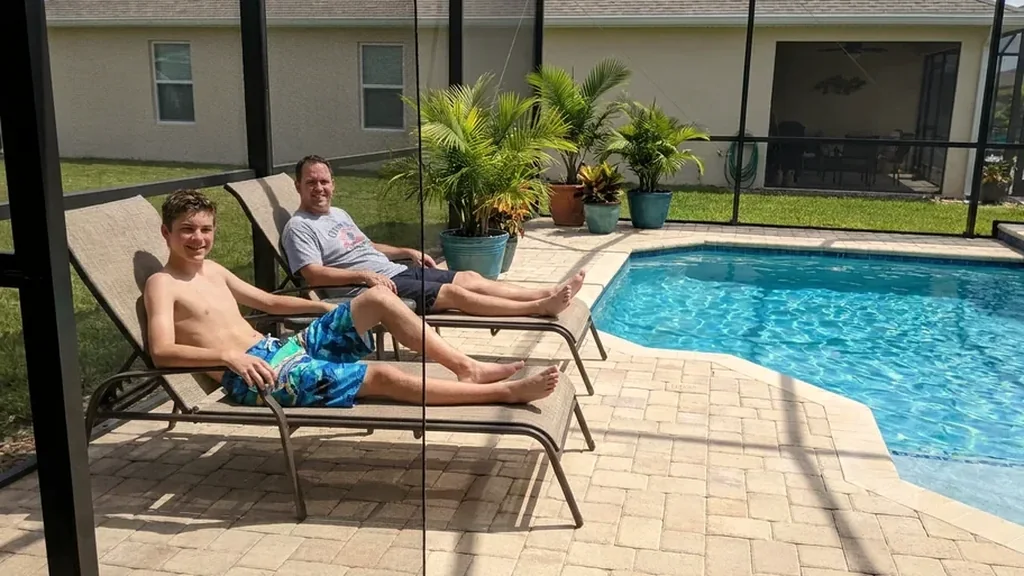
Does sealing make travertine slippery around a Spring Hill pool?
It can, which is why the product matters more than the shine. A stone supplier says a penetrating sealer sinks below the surface and keeps the stone's own texture, while film forming coatings sit on top and can raise slipperiness when water is present. Travertine Mart adds a plain warning not to assume extra sheen suits a pool deck. Mention how barefoot the deck gets when you call (352) 820-2319.
The finish of the stone counts too. The restoration company lists unsealed polished travertine at about .40 to .50 on the slip scale, honed at .40 to .60 and tumbled or brushed at .50 to .70, with .50 the usual minimum. Those figures are guidelines only, since test methods differ. If your deck is honed, say so when you ask for a free estimate.
Will a sealer protect travertine from acid and etching?
Only in part. Travertine Mart says a sealer can reduce liquid absorption, but it does not make stone stain proof, acid proof or maintenance free, and acid can still etch carbonate stone. Pool shock, some cleaners and spilled citrus all count as acids. The coat buys time to wipe a spill up, nothing more. To ask what a contractor uses to clean stone safely, call (352) 820-2319.
What do Spring Hill rain, shade and sprinklers do to travertine?
The Tampa Bay office of the National Weather Service dates the wet season from May 25 to October 10 across most of West Central Florida, and stone that stays damp for weeks grows moss and mildew in its pits. Hernando County soil adds to it. SoilLookup says Candler fine sand is the most common soil and that 46 percent of the county stays wet for long stretches, so damp ground is the rule here and not the exception. To have a shaded patio looked at, ask for a free estimate.
Sprinklers matter as well. UF/IFAS says most Florida well water is high in iron and leaves rust deposits on whatever it touches, and a paver restoration company lists irrigation rust as a common stain on pale surfaces. A spray head that hits the stone every morning can leave orange fans in a season. Point them out when you call (352) 820-2319.
What does travertine sealing cost in Spring Hill?
No company page found posts a travertine rate on its own line. The table below is built from the published pieces that do exist near Spring Hill: sealing, cleaning with sand, stripping and replacing. Each row names its source, and the last column applies it to a 500 square foot lanai. For a bid written on your own stone, ask for a free estimate.
| Piece of the job | Published rate | A 500 square foot lanai |
|---|---|---|
| Sealing by itself | $1.25 to $1.50 per sq ft (Pressure WashKing) | $625 to $750 |
| Clean, sand and seal, wide range | $1 to $3 per sq ft (Imperial Pressure Washing) | $500 to $1,500 |
| Strip failed sealer and reseal | $3.00 per sq ft (Pressure WashKing) | $1,500 |
| Replace faded or stained pavers | $10 to $20 per sq ft (Pressure WashKing) | $5,000 to $10,000 |
No company page found publishes a travertine rate by itself, so this table is built from the pieces that are published for paver surfaces in Spring Hill. A travertine job may price above or below these lines, and friction joints between stone pieces often need no joint sand, which can trim a line from the bill. Your contractor sets the real figure after seeing the stone.
How often should Spring Hill travertine be resealed?
Published local guidance runs from every 2 to 3 years at one Spring Hill company to every 2 to 5 years at another, and Unilock puts the cycle for concrete pavers at three to five. Stone beside a pool sits at the short end because of splash, sunscreen and chlorine. A stone supplier says to keep the product name and the date, so the next visit starts with facts. To book a check on an older coat, call (352) 820-2319.
Should an old or stained travertine deck be restored before sealing?
Yes. The same supplier says an older or stained deck should be restored, with its stains removed, before any sealer goes on, or those stains become nearly impossible to remove later. A previous film forming coat that has peeled or clouded has to come off too, and the restoration company says stripping it from travertine without scarring the soft surface takes experience. A new pool deck is easier, since sealing waits for the stone to cure and for the 30 to 60 days that one Spring Hill company suggests. Send the install date when you ask for a free estimate.
Which places near Spring Hill can ask for a travertine estimate?
A free look at natural stone is open to Spring Hill homes and to every town linked below, each with a page of local notes. Not seeing your street? Call (352) 820-2319.
How does the travertine sealing process work from first look to cure?
Five stages cover most jobs, and the order matters more than the speed. A paver restoration company says its own travertine process can fit in one day, but drying time and weather still decide the schedule. To set a date, call (352) 820-2319.
1. Read the stone
The contractor notes whether the surface is polished, honed or tumbled, whether it was ever sealed and whether any piece is loose, then picks a product to match.
2. Lift the dirt
Moss, algae and ground-in grime come off first, since a sealer would lock them in. Stone gets a gentler wash than a concrete driveway.
3. Let it dry
Open pores hold water for a long time. The stone has to be dry through, and clear skies matter more here than the calendar.
4. Apply and cure
A penetrating coat goes on and the excess is removed at the time the label names. Foot traffic waits until the product allows it.
5. Record the product
Ask for the product name and the date on paper. That makes the next renewal a simple conversation.
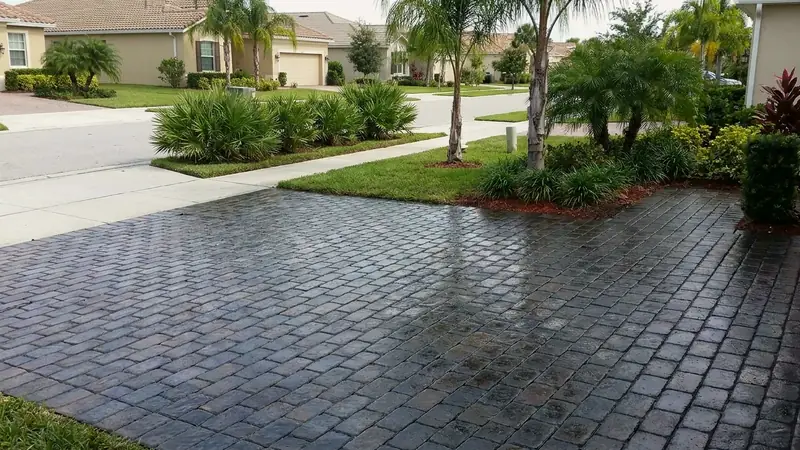
What does sealed natural stone look like at Spring Hill homes?
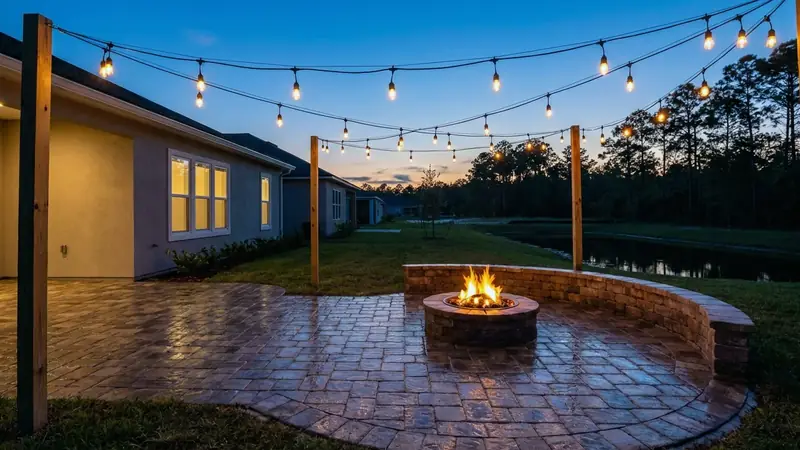
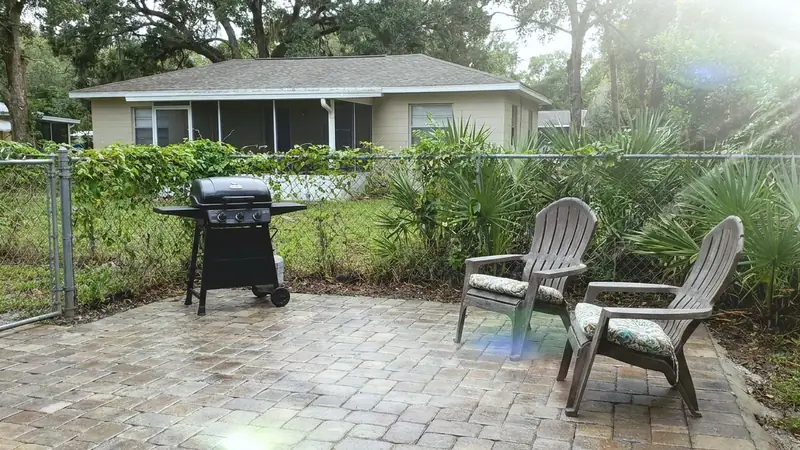
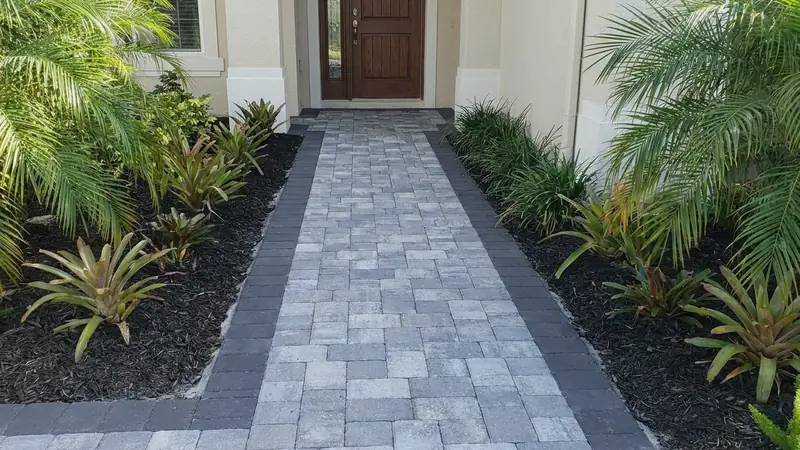
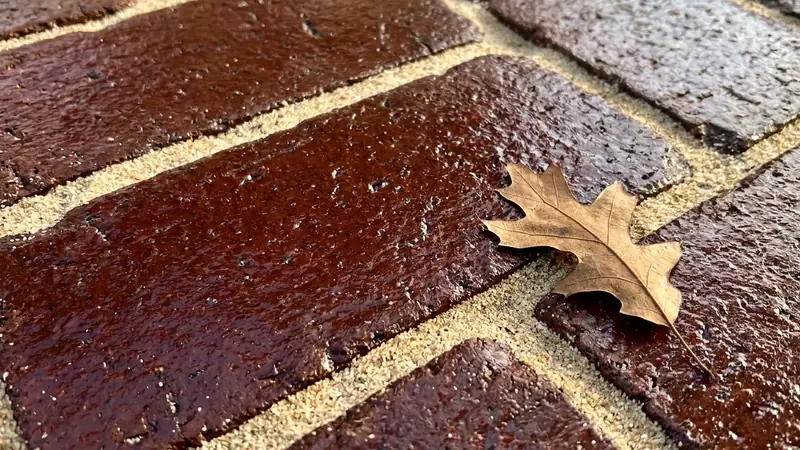
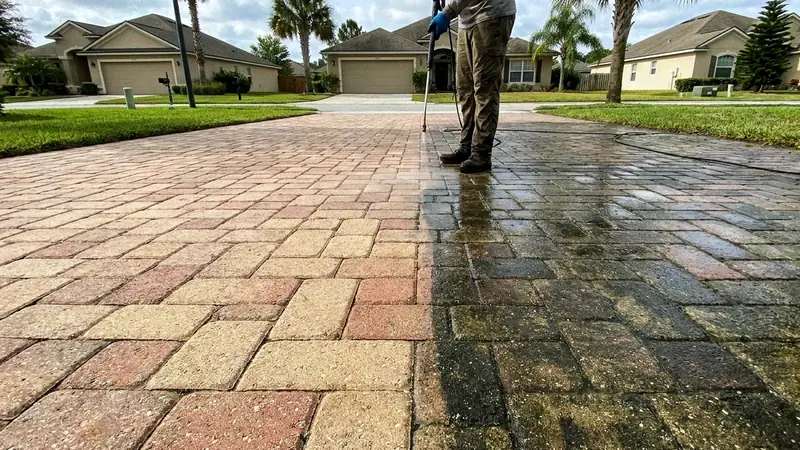
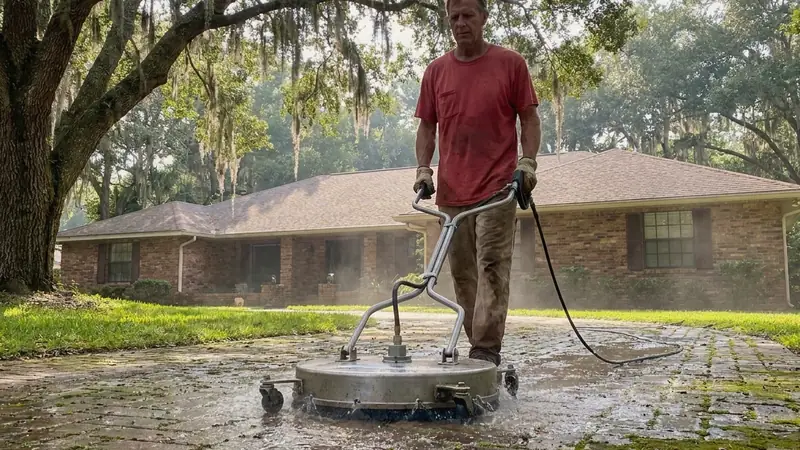
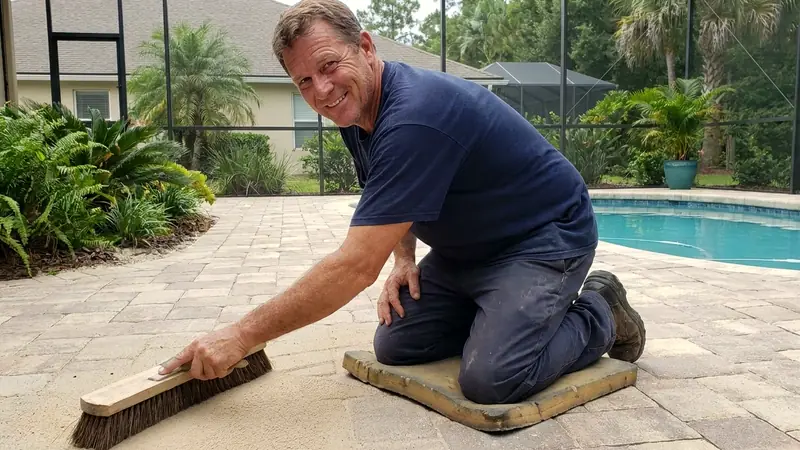
What do Spring Hill homeowners ask about sealing travertine?
Cost, slip safety, etching and timing come up first. The short answers follow, and anything they miss is a phone call away at (352) 820-2319.
Is there a downside to sealing pavers?
On travertine, the main downside is picking the wrong product. A surface coating can add sheen and make wet stone slick, and a stripped-off coating is hard to remove without scarring the soft stone. A penetrating product avoids most of that.
How often do you need to reseal pavers in Florida?
Published local guidance for paver surfaces runs from every 2 to 3 years at one Spring Hill company to every 2 to 5 years at another. Natural stone around a pool sits at the short end of that range. A contractor can name a date after seeing how the stone has held up.
What is the average cost to seal pavers in Florida?
One Spring Hill company posts $1 to $3 per square foot, and another lists $1.25 to $1.50 to seal and $3.00 to strip and reseal. No company page found prices travertine on its own line, so expect a travertine bid to be written after a look at the stone.
Can I seal my pavers myself?
Some owners try, but travertine is the surface where it goes wrong most often. A paver restoration company warns that filling the stone's open pits with the wrong product leaves a glued look that is costly to strip. A site visit before any product goes down is cheap by comparison.
Should travertine around a pool in Spring Hill be sealed?
Usually yes, with a penetrating product. A stone supplier says pool decks face sunscreen, body oils, chlorine and spills that soak into open pores, and that sealing slows that down without making the stone maintenance free.
Does sealing make travertine slippery?
It depends on the product. A penetrating sealer leaves the stone's own texture, while a film forming coat can raise slipperiness when wet. Tumbled and brushed finishes grip better than honed ones, so the finish of your stone matters as much as the sealer.
Will a sealer stop vinegar or other acids from etching travertine?
No. Travertine Mart says acid can still etch carbonate stone after sealing. Sealer slows how fast liquids soak in, which buys time to wipe up a spill, but it does not turn the stone acid proof.
Can brick paver sealer go on travertine in Spring Hill?
Not safely. Unilock says brick and natural stone absorb sealer at different rates, and a paver restoration company says travertine needs a different product from the start. Ask the contractor to name the sealer and say why it suits stone.
How long should new travertine wait before it is sealed?
One Spring Hill company says to wait about 30 to 60 days after pavers are installed. A stone supplier adds that sealing goes on after the materials have fully cured. Share the install date when you ask for a price.
Can moss on shaded travertine be removed before sealing?
Yes. A Spring Hill area restoration company describes lifting dirt and moldy moss from travertine pavers and then sealing them. The wash comes first because sealer locks in whatever is left on the stone.
Ready for a free travertine sealing estimate?
Call or use the short form, and a local contractor replies within 1 business day, often within hours.
Free, no obligation